
ARC OPTIC is a premium window tinting brand that builds trust with measured numbers rather than evocative language. What we sell is not film. It is performance we can publish.
TSER · IR · UV. Every performance figure we state is backed by measured data.
The tinting market is full of unverified numbers. Heat rejection rates with no source, catalogue performance clipped from the single best point, measurement standards that differ from brand to brand. Customers are left with no way of knowing what to believe.
ARC OPTIC took a different route, on the principle that performance is measured, not claimed. We publish only values measured directly on spectrophotometers and optical meters, and we state the equipment, the sample conditions and the measurement band alongside them.
Same conditions, same method. Only then can figures be compared, and only what can be compared can be trusted.
If a number has no evidence behind it, it isn't premium.
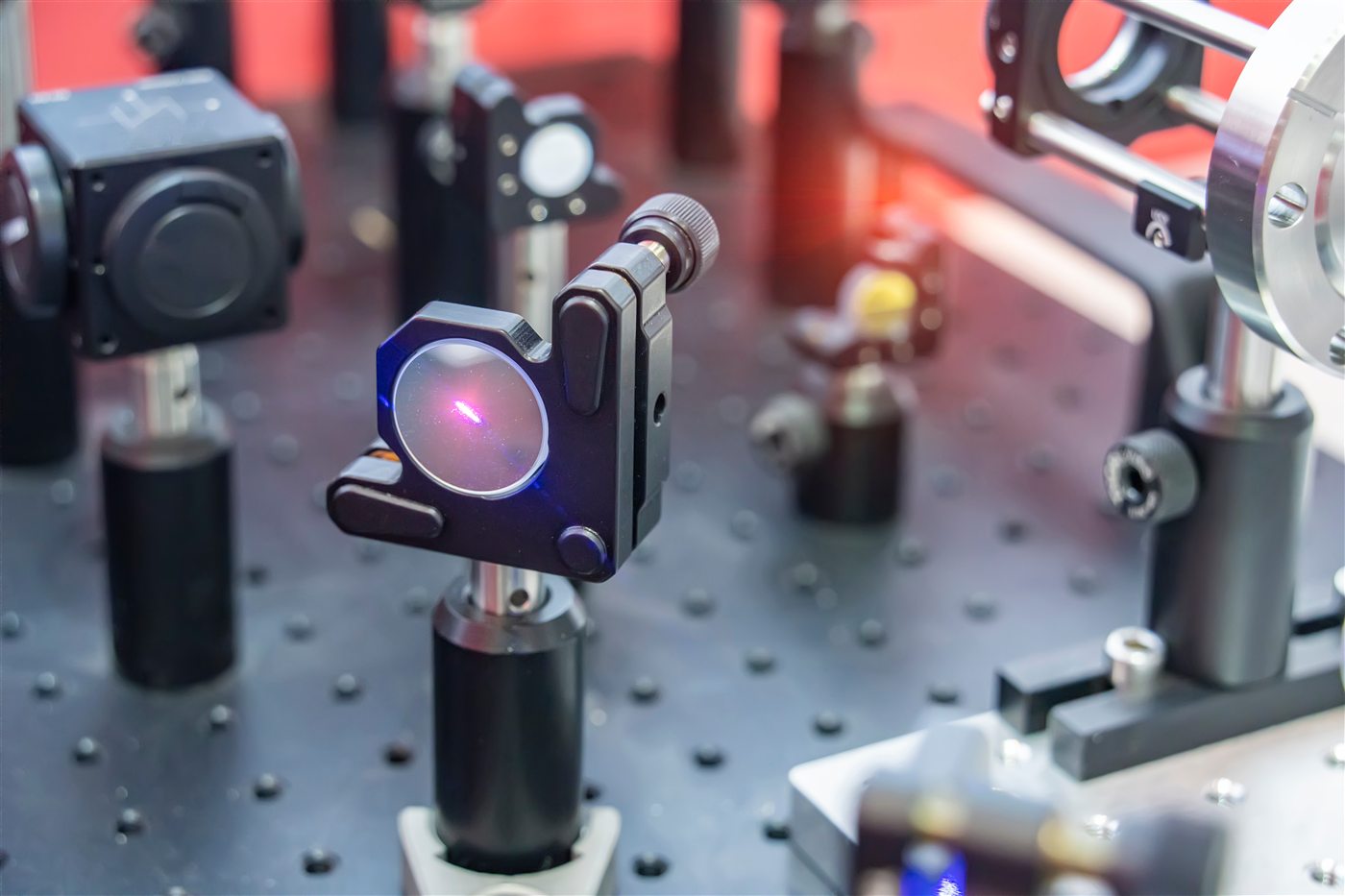 We don't claim performance. We measure it
ARC OPTIC has no entry model and no mid grade. We don't keep a line with performance stripped out to hit a budget. What we make is three top-tier films that differ in method, and nothing else.
Non-metallic ceramic, hybrid titanium, platinum-sputtered platinum. These are not tiers stacked above and below one another but different materials and methods, chosen according to purpose.
So with ARC OPTIC the question is not "how much am I spending" but "which method am I choosing".
Inorganic nano ceramic built without metal. A method that combines colour stability with heat rejection and no signal interference.
Hybrid titanium combining ceramic with sputter deposition. A method aimed at balancing deep colour with strong heat rejection.
Platinum deposited by vacuum sputtering. A method that pushes the reflective performance characteristic of metal coatings, and zero glare, to their peak.
ARC OPTIC publishes performance honestly across three metrics: total solar energy rejected (TSER), infrared rejection (IR) and ultraviolet rejection (UV). All three are stated exactly as measured.
The three metrics do not measure the same thing. IR and UV each look only at the infrared and the ultraviolet band, whereas TSER covers the whole of the solar energy spectrum, visible light included. That is why, on a properly made film, the values typically fall in the order TSER < IR < UV. (IR and UV are measured in different bands, so at some densities the two can swap places.) TSER coming out lowest is not a shortfall in performance. It is simply the figure measured across the widest range.
Rather than a catalogue peak clipped from the most favourable wavelength, we state the equipment and wavelengths exactly as measured. Writing down the number that matches reality, even when it is lower, is our labelling principle.
And every vehicle we install receives a genuine warranty certificate. Not a sheet of paper, but a record that this performance was applied to this car.
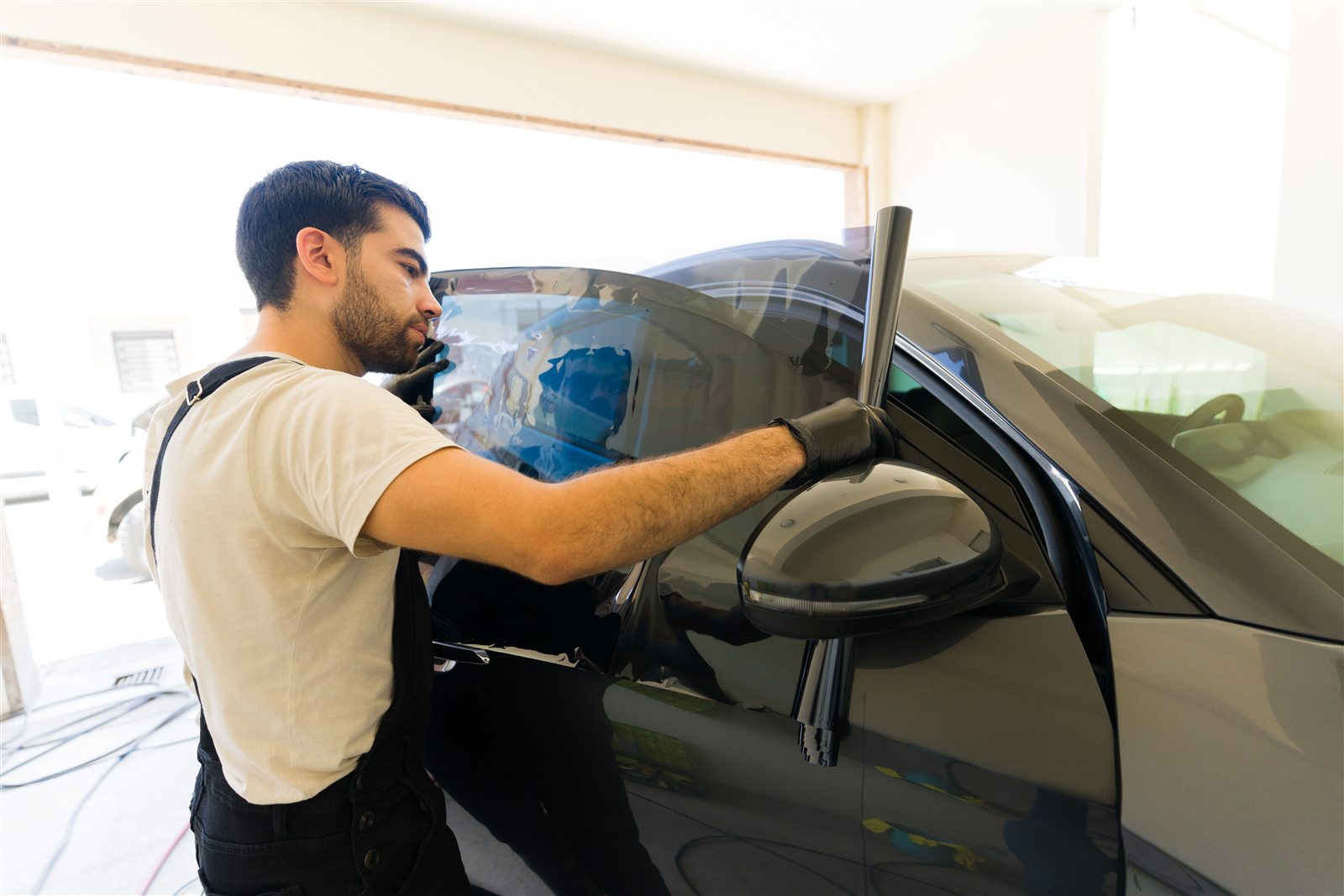 The same film comes out differently in different hands
However good the film, the moment it meets the glass it becomes a question of installation. Heat-forming to hold a curved pane, cutting to the millimetre, a finish free of bubbles and dust. The point where performance figures turn into what you actually feel is, in the end, a person's hands.
ARC OPTIC doesn't only choose the product. We work with experienced installers who know how to handle it properly: people who read the glass shape of each model, adapt the process to the film's characteristics, and take responsibility for a finish you'll never notice.
Film proven by data, completed by long-honed skill. That is why we don't hand installation to just anyone.
ARC OPTIC is headquartered in South Carolina, USA. The principles behind how performance is measured, how figures are stated and how data is published are managed from here.
We don't explain performance in words. Check the measured data and book with the film you want.